Wireless Power for EVs Faces Hurdles Ahead
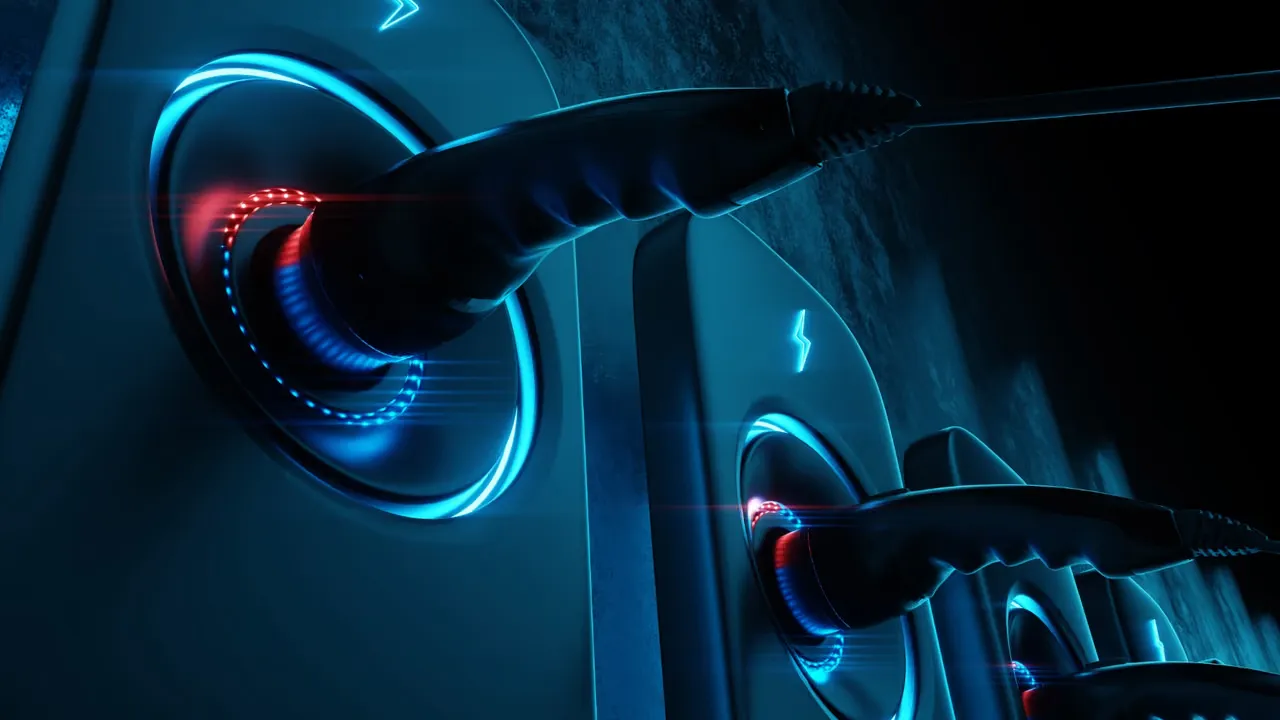
Wireless electric vehicle charging is no longer a distant dream but a fast-growing technology that could change how we power our cars. Imagine pulling into your driveway or parking spot and, without plugging in a cable, your EV starts charging on its own. This smooth experience could soon become normal, making electric vehicle ownership easier and more practical.
How Wireless EV Charging Works The Technology Behind It
Wireless EV charging works through electromagnetic induction. A charging pad hidden in the ground creates a changing magnetic field using a coil powered by electricity. When an EV with a matching receiver coil parks over the pad, the magnetic field creates an electric current in the receiver coil. This current then turns back into direct current to charge the car’s battery.
Most wireless charging systems have two main parts: the primary coil (in the ground or garage floor) and the secondary coil (under the vehicle). Advanced alignment systems and communication methods help transfer power well, even if the car is a bit off-center. Some use resonant inductive coupling to increase the distance between coils, giving more parking freedom.
More advanced setups use smart technology to let the EV and charger talk to each other. This helps adjust charging speed and keep things safe. For example, the car can tell the charger to change power based on battery level, temperature, or grid needs.
Benefits of Wireless Charging Over Traditional Plug-In Methods
- Convenience – No more wrestling with cables or plugs. Just park your car, and charging starts automatically. This is great in bad weather or for people with limited mobility.
- Safety – Wireless charging removes exposed electrical contacts, cutting risks of shocks, tripping, or damage to charging gear from wear.
- Less Maintenance – Without physical connectors, parts are less likely to get dirty, corroded, or break. This can lower upkeep costs and make charging stations last longer.
- Smart Infrastructure Integration – Wireless chargers can link to smart city grids, allowing features like load management or vehicle-to-grid energy transfers without manual work.
- Better User Experience – For fleet owners or ride-sharing services, wireless charging can automate tasks, cut downtime, and keep vehicles ready to go.
Challenges and Limits Facing Wireless EV Charging Adoption
Despite its promise, wireless EV charging faces several challenges before it becomes common.
Efficiency and Energy Loss
Wireless power transfer is less efficient than wired charging. Plug-in chargers often reach over 90% efficiency, while wireless systems usually stay between 80-90% in the best cases. This means longer charging times and more energy use, which worries both users and environmentalists.
Cost and Infrastructure
Installing wireless charging pads is costly. It means putting coils into parking spots or garage floors, which needs construction and special gear. Upgrading existing places can be disruptive and expensive. Plus, wireless chargers cost more than traditional ones, which may put off buyers and businesses.
Standardization and Compatibility
There are competing standards like SAE J2954 that try to unify protocols and ensure all EVs work with wireless chargers. But the market is still split, and not all EVs support wireless charging yet. This slows down wider use.
Alignment Sensitivity
For good power transfer, the car must park close to the charging pad. If it’s off, efficiency drops or charging stops. Technology is improving to allow some error, but perfect alignment is still tough, especially in public parking.
Power Levels and Charging Speed
Wireless chargers usually work at lower power than fast wired chargers. This means longer charging times, which may frustrate users used to quick top-ups.
The Road Ahead Predictions and Innovations in Wireless EV Charging
The future of wireless EV charging looks bright, pushed by research and growing demand for easy electric driving.
Dynamic Wireless Charging
One exciting idea is dynamic or in-motion charging. This puts wireless coils under roads, letting EVs charge while driving. If it works and grows, it could cut battery size needs and ease range worries, changing electric transport completely.
Higher Power and Faster Charging
Researchers aim to boost wireless power to match or beat wired fast chargers. New coil designs, better materials, and cooling could deliver kilowatt-level power with better efficiency.
Smart Integration and IoT Connectivity
Wireless chargers will link more with smart grids and the Internet of Things (IoT). This will help use energy better, balance loads, and add features like remote monitoring, predictive fixes, and easy billing.
Expanded Adoption in Public and Commercial Spaces
As costs drop and tech improves, expect more wireless charging in parking garages, malls, offices, and city areas. Fleet owners and delivery firms will gain a lot from automated charging.
Vehicle Design Evolution
Car makers may design EVs with wireless charging in mind, placing receiver coils in standard spots and improving communication for smoother use.
Wireless EV charging is set to make electric cars easier to use and more part of daily life. The ease of parking and charging without cables could change how we think about cars and energy, but it will take time, money, and new ideas before this vision arrives.