Five Reasons Employers Should Add EV Chargers
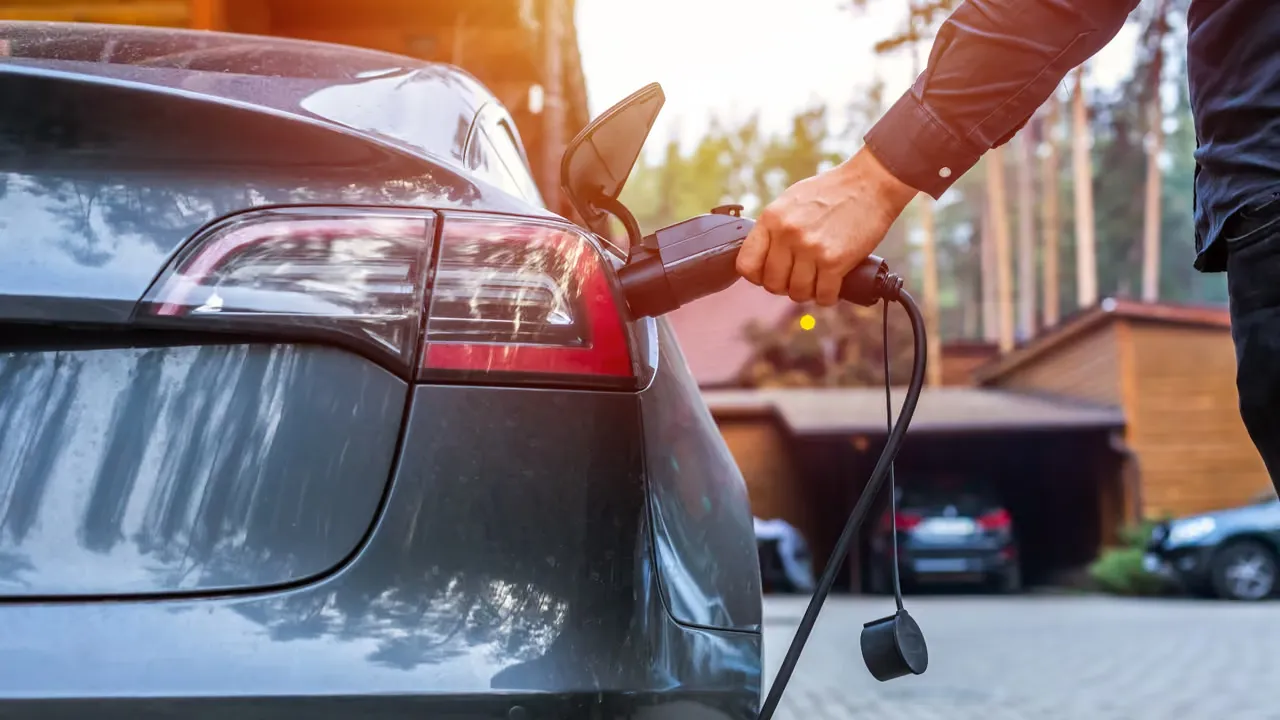
What if your workplace made it easy to charge your electric vehicle every day? For many employees, the lack of reliable EV charging at work remains a significant barrier to switching from gasoline cars to electric. As EVs become more common, workplaces equipped with charging stations can play a pivotal role in accelerating adoption—and reaping benefits themselves.
Current Challenges Employees Face with EV Charging at Work
Electric vehicle owners often find home charging convenient, but for those who drive long distances or live in apartments without dedicated chargers, workplace charging is essential. Yet many employees encounter common obstacles:
- Limited availability: Few workplaces currently offer EV chargers, and where they exist, they’re often insufficient to meet demand.
- Uncertain access: Some chargers are reserved for company fleets or senior staff, leaving others without reliable options.
- Charging speed: Many chargers are slow Level 1 units, which can take all day to add just a few miles of range.
- Cost and billing confusion: Employees may face unclear policies on whether charging is free, subsidized, or paid out-of-pocket.
- Technical incompatibility: Older chargers may not support all EV models or the latest fast-charging standards.
These factors contribute to “range anxiety” even for EV drivers and discourage potential buyers from making the switch. Without dependable workplace charging, employees might hesitate to rely solely on electric vehicles.
Benefits for Employers Who Invest in EV Charging Stations
Installing EV chargers isn’t just a perk for employees—it’s a strategic move for companies aiming to attract talent, reduce emissions, and enhance their brand.
- Employee attraction and retention: As EV ownership grows, workers increasingly expect eco-friendly amenities. Charging stations signal a forward-thinking workplace that values sustainability.
- Reduced carbon footprint: Supporting electric vehicles aligns with corporate climate goals. Encouraging EV use among employees lowers overall emissions related to commuting.
- Potential cost savings: Some utilities offer lower rates for workplace charging during off-peak hours. Employers can also avoid higher parking and infrastructure costs linked to traditional vehicles.
- Compliance and incentives: Government programs often provide rebates or tax incentives to businesses installing EV chargers, easing upfront expenses.
- Enhanced corporate responsibility: Demonstrating commitment to clean transportation helps with public relations and stakeholder trust.
Technological Options and Best Practices for Workplace Chargers
Choosing the right charging infrastructure depends on workforce size, parking layout, and expected usage patterns. Here are key considerations and options:
Charger Types
- Level 1 Chargers: Use standard 120V outlets; very slow charging, typically 3-5 miles of range per hour. Suitable as a backup or in low-demand settings.
- Level 2 Chargers: Most common for workplaces, operating at 240V and delivering 15-30 miles of range per hour. Balances installation cost and charging speed effectively.
- DC Fast Chargers: Provide rapid charging (80% charge in 20-30 minutes) but are expensive and require significant electrical upgrades. Best for high turnover or fleet vehicles.
Best Practices
- Conduct a site assessment: Evaluate power availability, parking patterns, and employee needs before installation.
- Implement smart charging: Use networked chargers that manage energy loads, schedule charging during off-peak hours, and allow remote monitoring.
- Establish fair access policies: Define who can use the chargers, how fees are handled, and how to avoid misuse or overcrowding.
- Integrate with sustainability goals: Track usage and emissions reductions to measure impact and report progress.
- Promote awareness: Educate employees about charging availability, scheduling apps, and EV benefits.
Case Studies of Companies Successfully Implementing EV Charging
Google has installed thousands of Level 2 chargers across its campuses worldwide. The company offers free charging, prioritizes chargers for employees who carpool or drive EVs, and integrates chargers with its renewable energy program. This effort supports its ambitious goal to operate carbon-free by 2030 and encourages employees to drive electric.
General Motors
GM invested heavily in workplace charging at its manufacturing facilities, outfitting them with both Level 2 and DC fast chargers. The automaker offers incentives to employees purchasing GM electric vehicles, reducing range anxiety by ensuring reliable charging during shifts. This initiative aligns with GM’s commitment to an all-electric future.
Salesforce
Salesforce installed smart Level 2 chargers at its San Francisco headquarters, enabling employees to reserve charging spots through an app. The system manages demand dynamically, balancing energy costs and availability. Salesforce credits this infrastructure with boosting employee satisfaction and supporting its sustainability goals.
Smaller Companies Making an Impact
Not only large corporations are stepping up. Tech startup ElectrifyWork installed a handful of Level 2 chargers at its office parking lot, offering subsidized charging fees and prioritizing employees who commit to electric vehicles. Within a year, EV adoption among staff more than doubled, illustrating how even modest investments can drive change.