EVs and the True Environmental Toll
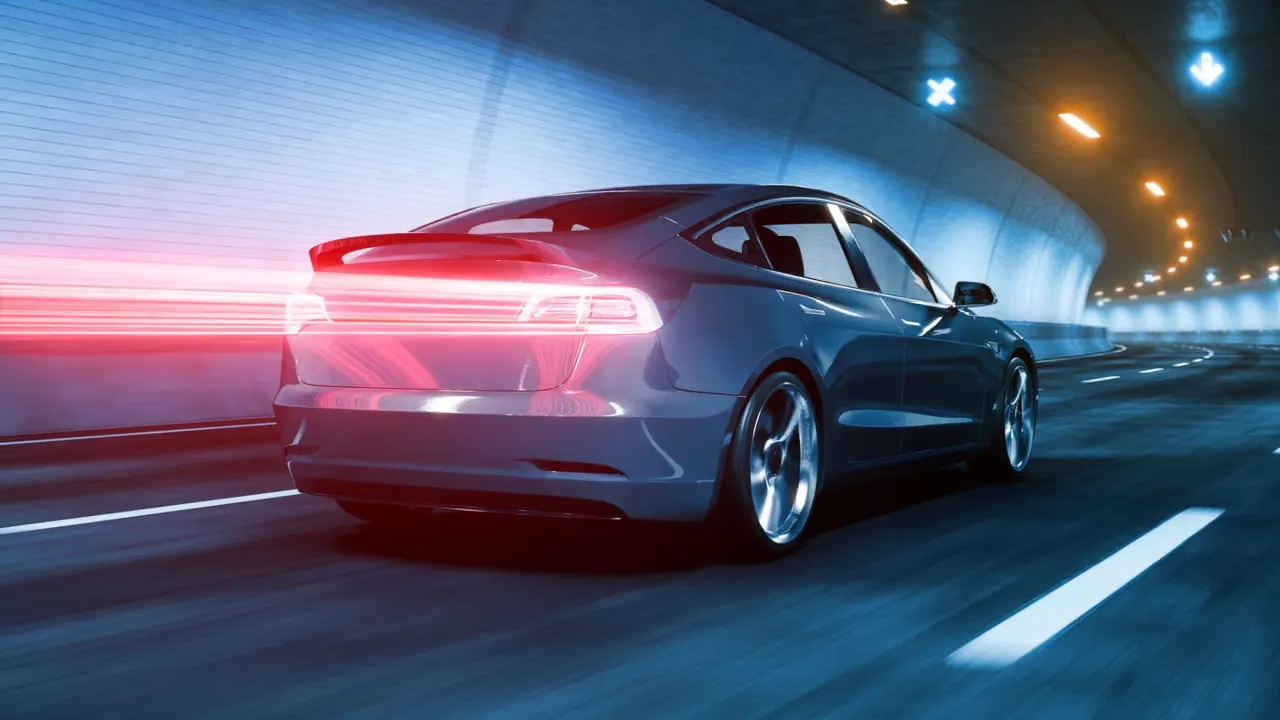
You see an electric car silently glide past on the street, and it’s easy to think of it as an environmental hero—clean, green, and guilt-free. But beneath that sleek exterior lies a more complicated story about its true environmental footprint. Electric vehicles (EVs) do reduce tailpipe emissions, but their overall impact stretches far beyond what you see on the road.
Manufacturing Footprint The Environmental Cost of Batteries
The heart of every electric car is its battery, usually a lithium-ion pack. Producing these batteries demands significant mining and processing of raw materials like lithium, cobalt, and nickel. Extracting these metals isn’t just about digging up dirt; it often means serious ecological disruption. Large-scale mining operations can lead to deforestation, soil erosion, and water contamination, especially in regions with lax environmental rules.
Take lithium mining in South America’s “Lithium Triangle” for example—home to vast salt flats in Chile, Argentina, and Bolivia. Pumping groundwater to extract lithium salts has been linked to water shortages for local communities and ecosystems. Meanwhile, cobalt mining in the Democratic Republic of Congo raises not only environmental but also ethical concerns, given reports of child labor and unsafe working conditions.
Making the battery cells themselves uses a lot of energy. Producing just one EV battery can release several tons of CO2, depending on where and how the energy is made. This upfront carbon debt makes the initial environmental cost of an electric car much higher than that of a regular vehicle.
Electricity Sources How Power Mix Influences Emissions
Electric cars don’t burn fuel, but they do depend on electricity—and not all electricity is the same. The environmental benefits of driving an EV depend heavily on the power mix used to charge them.
In places where electricity comes mostly from coal or other fossil fuels, charging an EV can indirectly cause large emissions. For example, in parts of the U.S. Midwest or Poland, coal-fired plants still run most of the grid, meaning electric cars there aren’t as clean as they might seem.
Compare that with places where renewables, nuclear, or hydroelectric power dominate. Norway, for example, runs almost all its electric vehicles on clean, renewable electricity, cutting overall emissions sharply. The catch is that power grids vary a lot across countries and even states, so the “greenness” of an electric car can change depending on where you live.
Recycling and Disposal Challenges of EV Components
Electric cars bring a new set of waste problems. Batteries last about 8 to 15 years, after which their efficiency drops a lot. What happens to these giant battery packs once they no longer work well in cars?
Recycling EV batteries is still a young industry. Right now, processes to recover lithium, cobalt, nickel, and other valuable materials are expensive and not common. Because of this, many used batteries end up in landfills or stockpiles, posing environmental risks from toxic chemicals and heavy metals leaking into soil and water.
Some new ideas are emerging, like “second-life” uses where old EV batteries get a new job storing energy in buildings or the grid. But scaling these solutions to handle millions of batteries reaching end-of-life will need big investments and new infrastructure.
Other parts of electric cars, like electric motors and electronic controllers, also hold rare earth elements and complex materials that make recycling hard. The car industry is still figuring out how to design EVs for easier take-apart and material recovery.
Comparing Life Cycle Emissions Electric vs Combustion Engines
When judging the environmental impact of electric cars, it’s important to look at the full life cycle—from mining and making parts to using and disposing of the vehicle.
Studies show that despite high emissions during manufacturing, EVs usually produce less greenhouse gas over their lifetime than internal combustion engine (ICE) vehicles. This advantage grows bigger the cleaner the electricity grid is and the longer the car is driven.
- Manufacturing EVs generally cause more emissions upfront, mainly because of the battery.
- Use phase Electric cars have zero tailpipe emissions, but emissions depend on how the electricity is made.
- End-of-life Battery disposal and recycling are environmental challenges ICE vehicles don’t face as much.
Still, the benefits can be surprisingly small in some cases, especially in areas that rely on fossil-fueled electricity or when EV batteries are replaced too soon. Meanwhile, advances in battery tech, better recycling, and cleaner grids promise to push the balance further in favor of electric cars over time.
Understanding the hidden environmental costs of electric cars forces us to look beyond the zero-emission badge and see the bigger picture—from how we get materials to how we power and retire these vehicles. Only then can we make truly informed choices about the future of transportation.