5 Benefits of Vehicle to Grid Tech
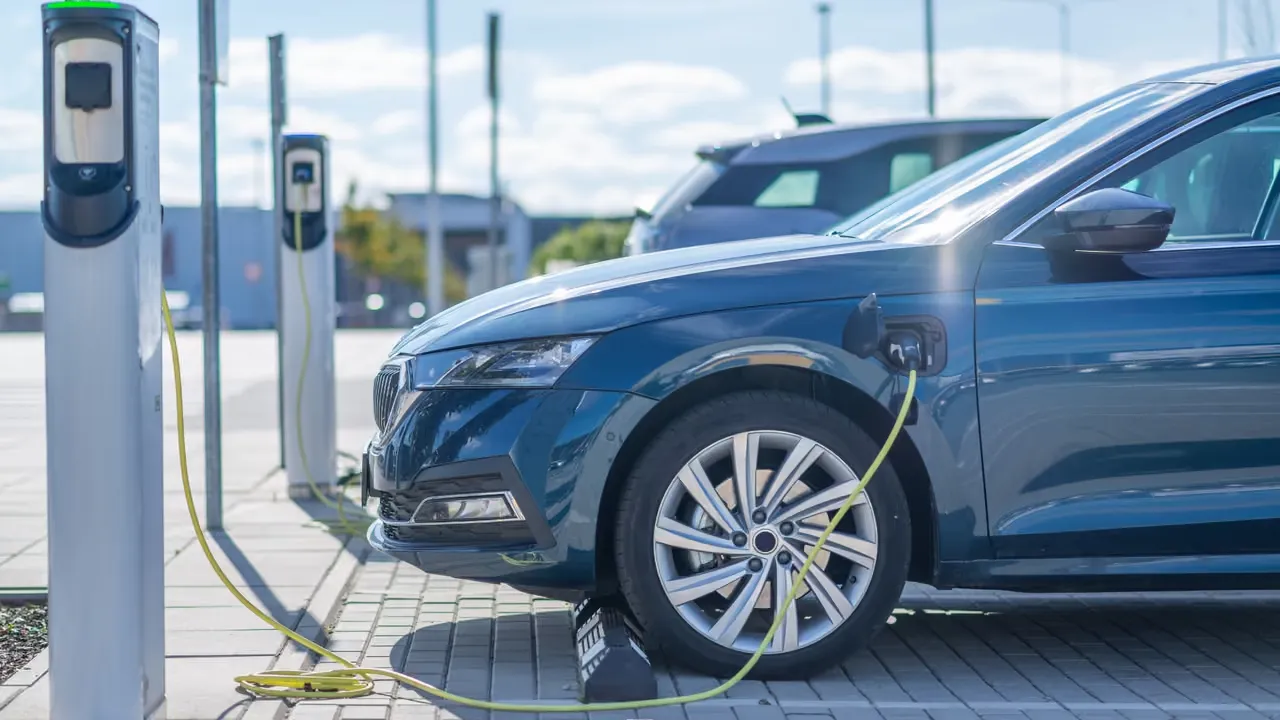
What if your car could do more than just take you from point A to point B? Imagine it helping to power your home or even your entire neighborhood. Electric cars are no longer just vehicles; they are becoming pivotal players in the transformation of the global energy grid and the integration of renewable energy sources.
Electric Cars as Distributed Energy Storage
Electric vehicles (EVs) come equipped with large batteries designed to store significant amounts of energy. This capacity turns them into mobile energy storage units, scattered across neighborhoods and cities. Instead of sitting idle for most of the day, these batteries can serve a dual purpose: powering the vehicle and acting as a buffer for the energy grid.
When renewable energy sources like solar and wind generate excess electricity, EVs can absorb this surplus by charging their batteries. Later, during periods of high demand or when renewable generation drops, the stored energy can be fed back into the grid or used locally. This distributed energy storage helps smooth out fluctuations, reduces the need for fossil-fueled peaker plants, and enhances grid stability.
Vehicle-to-Grid Technology Turning Cars into Power Sources
Vehicle-to-grid (V2G) technology takes the concept of EVs as storage a step further. It enables two-way energy flow between the car and the electrical grid. Instead of simply charging, vehicles can discharge electricity back to the grid when needed.
V2G systems rely on smart chargers and communication protocols that coordinate when and how much energy to send back. This technology can:
- Provide grid services such as frequency regulation and voltage support
- Help balance supply and demand in real-time
- Offer financial incentives to EV owners for participating in grid support
In practical terms, a network of EVs connected via V2G can act as a flexible, decentralized power plant. This setup is particularly valuable when integrating intermittent renewable sources, which can be unpredictable and vary with weather conditions.
Challenges and Opportunities in Grid Integration of EVs
Despite the promise, integrating electric cars into the energy grid isn’t without hurdles.
- Infrastructure Demands: Current electrical grids and charging stations often lack the capacity or technology for widespread V2G deployment. Upgrading infrastructure requires significant investment and coordination.
- Battery Degradation Concerns: Frequent charging and discharging cycles can impact battery lifespan. While research is ongoing, EV owners may hesitate to participate in V2G programs without clear benefits.
- Regulatory and Market Barriers: Energy markets and regulations may not yet accommodate or incentivize distributed storage from EVs. Policies need to evolve to support new business models.
- Consumer Participation: Engaging EV owners requires education, trust in technology, and financial incentives. Without user buy-in, the potential remains untapped.
On the flip side, these challenges open up opportunities for innovation. Smart charging algorithms can optimize charging times to minimize battery wear. New business models can emerge, where utilities, aggregators, and consumers share value. Governments and private sectors are already piloting projects exploring these possibilities.
The Future of Smart Grids with Widespread Electric Car Adoption
As electric vehicle adoption accelerates, the energy grid must evolve into a smarter, more responsive system. Smart grids equipped with advanced sensors, communication networks, and artificial intelligence will coordinate millions of EVs alongside renewable energy assets.
In this future, your electric car won’t just be a means of transport; it will be an active participant in energy management. It could charge itself when the sun is shining or the wind is blowing and feed energy back during peak hours. Together, these millions of vehicles will form a vast, interconnected energy ecosystem.
This transformation promises:
- Greater renewable energy penetration by mitigating intermittency
- Reduced greenhouse gas emissions through efficient energy use
- Enhanced grid resilience against outages and peak demand spikes
- New economic opportunities for consumers and utilities alike
Electric cars are no longer isolated gadgets on the road; they are becoming essential building blocks in the global shift toward a cleaner, smarter energy future.