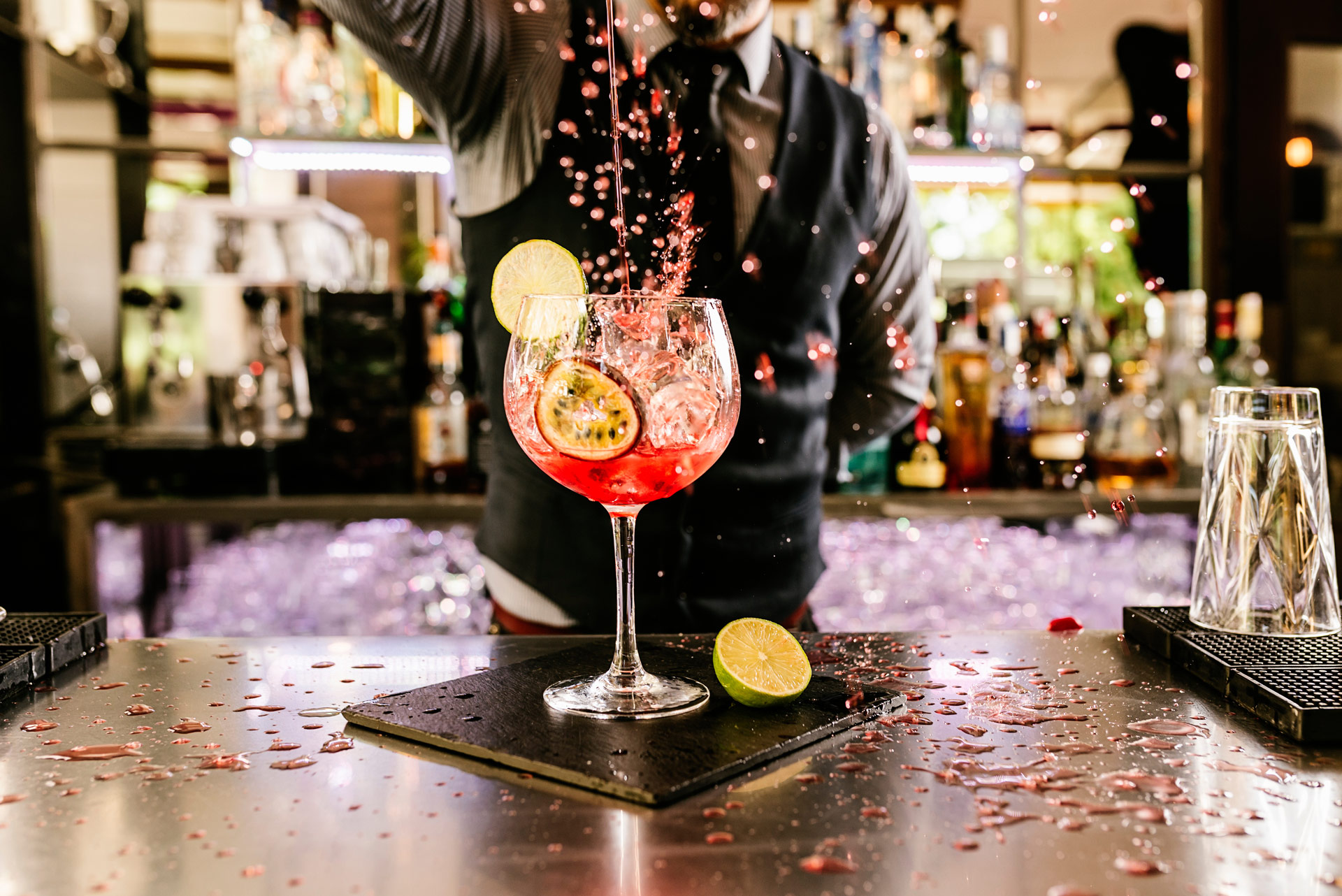
In the vibrant city of Dublin, the art of bartending has evolved into a respected career choice, thanks in part to the comprehensive training and educational opportunities available. Among these, the Dublin Bar Academy stands out as a beacon of excellence, offering an array of courses designed to transform novices into seasoned professionals.
The Academy’s two-week bartender course is a testament to the depth and quality of training provided in Ireland. Accessible through Dublin Bar Academy, this intensive program caters to both local enthusiasts and international students aiming to acquire an International Bartending Diploma. It’s a curriculum that balances theoretical knowledge with practical skills, ensuring graduates are well-equipped to thrive in the fast-paced, dynamic world of bartending.
Dublin, known for its rich pub culture
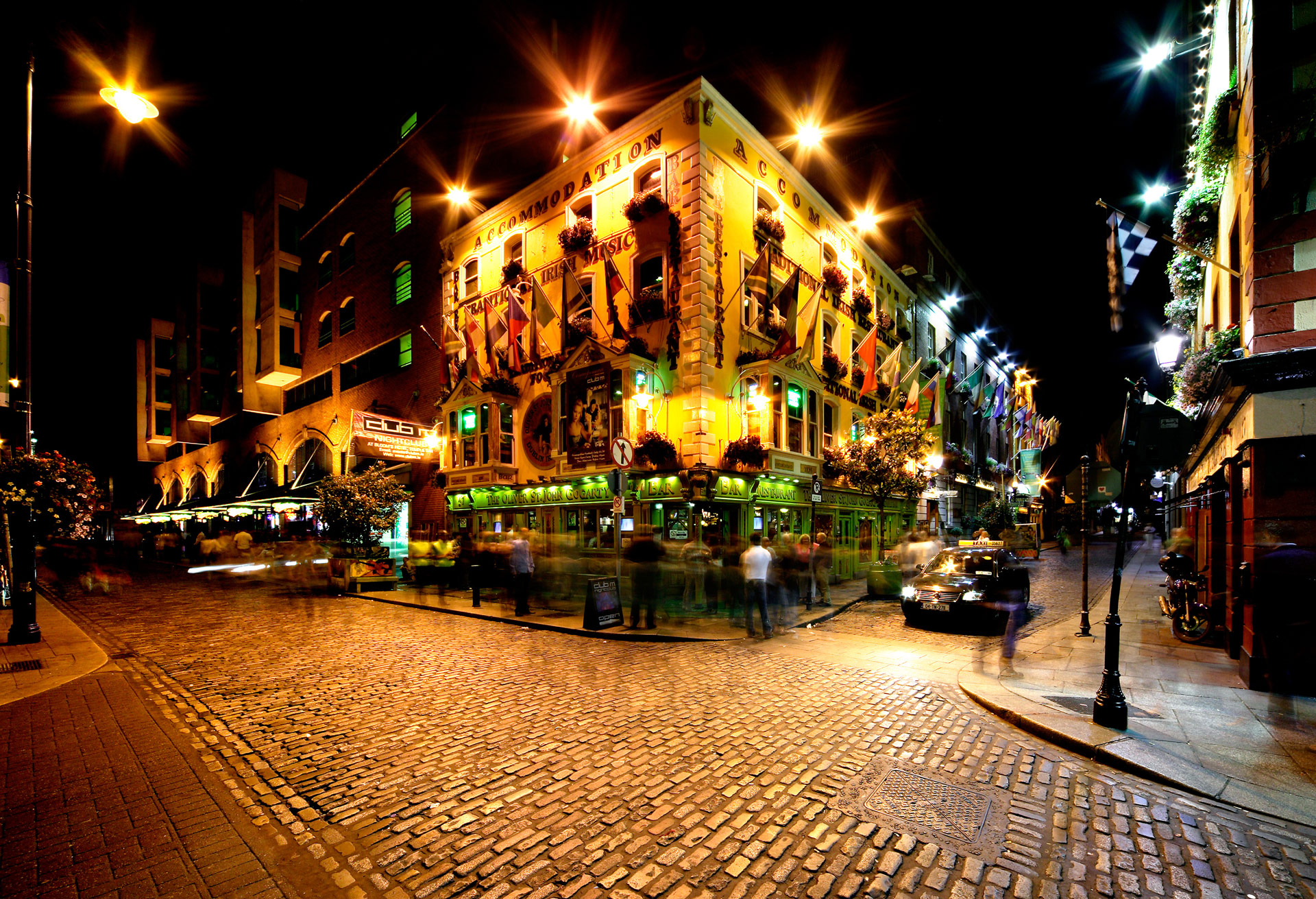
Delving deeper, the course covers essential skills in mixology, with a special focus on crafting cocktails. Dublin, known for its rich pub culture, is also becoming a hub for cocktail enthusiasts. The Academy’s cocktail course in Dublin is particularly noteworthy, providing hands-on experience in cocktail making. It’s an opportunity for students to immerse themselves in the intricacies of flavor combinations, presentation, and the art of crafting both classic and contemporary cocktails.
Beyond cocktails, the bartending courses extend to the broader aspects of the trade. Students learn about customer service, bar management, and the importance of creating a unique experience for patrons. It’s a holistic approach that prepares them for the various challenges and opportunities in the bartending sector.
As Ireland continues to assert itself as a key player in the global hospitality industry, the need for professionally trained bartenders is on the rise. Dublin, with its blend of traditional pubs and modern bars, offers a fertile ground for aspiring bartenders to hone their craft. The courses available in Dublin, particularly those offered by the Dublin Bar Academy, provide an ideal platform for anyone looking to embark on a career in this exciting and rewarding field.
In conclusion, for those contemplating a career in bartending, Dublin offers a gateway to excellence. With courses that cover everything from cocktail making to international bartending diplomas, the city is not just a destination but a starting point for a successful and fulfilling career in bartending.